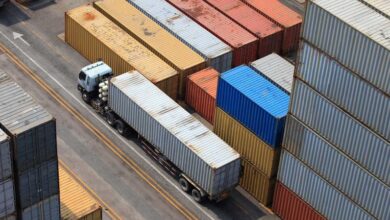
Commercial Auto Insurance for Trucking Companies – The trucking industry is the backbone of the global economy, but it also carries significant financial and legal risks. For business owners, finding the right commercial auto insurance for trucking companies is not just a regulatory hurdle; it is a critical strategy for survival. In 2026, the complexity of road safety, rising repair costs, and stricter FMCSA regulations make specialized coverage more important than ever.
Understanding Commercial Auto Insurance for Trucking
Commercial auto insurance for trucking is a specific branch of business insurance designed to cover vehicles used for transporting goods or materials. Unlike standard business auto policies used for passenger cars or vans, trucking insurance accounts for the massive weight, long-distance routes, and high-value cargo associated with semi-trucks, tractor-trailers, and dump trucks.




Why Standard Business Auto Insurance Isn’t Enough
Many small business owners assume a general commercial auto policy is sufficient. However, trucking companies face “heavy-duty” risks. A standard policy might cover a delivery van, but it won’t handle the specialized federal filings (like the BMC-91) required for interstate trucking authority. Specialized trucking insurance provides the high liability limits—often starting at $750,000 to $5 million—needed to satisfy shippers and federal law.
Detailed Features of Commercial Trucking Insurance
To build a robust safety net, you must understand the individual components of a trucking policy:
- Primary Auto Liability: This is the foundation. It covers bodily injury and property damage to others if your truck is at fault in an accident.
- Physical Damage Coverage: This protects your investment in the vehicle. It includes Collision (accidents) and Comprehensive (theft, fire, vandalism, or extreme weather).
- Motor Truck Cargo Insurance: This specifically covers the freight you are hauling. If the goods are damaged due to a collision, fire, or even refrigeration failure (reefer breakdown), this coverage pays the shipper.
- Non-Trucking Liability (NTL): Covers the driver and the truck when it is being used for personal reasons and not under dispatch.
- Trailer Interchange: Covers damage to a trailer you don’t own but are pulling under a written interchange agreement.
The Role of Technology in Modern Trucking Insurance
In 2026, technology is the primary driver of premium reductions. Insurers are moving away from static tables and toward dynamic, data-driven pricing.
1. Telematics and ELD Integration
Most top-tier insurers now offer “Pay-How-You-Drive” programs. By integrating with your Electronic Logging Device (ELD), insurance companies monitor braking habits, speed, and cornering. Companies like Progressive offer substantial discounts to fleets that share this data, as it proves a commitment to safety.
2. AI-Powered Dash Cams
New policies often include subsidies for AI-integrated dash cams. These cameras can detect driver fatigue or distracted behavior in real-time, providing audible alerts to prevent accidents before they happen. In the event of a claim, this footage is invaluable for proving your driver was not at fault.
3. Real-Time Route Risk Analysis
Advanced insurance platforms now provide fleet managers with heat maps of high-risk accident zones. By avoiding these areas or providing drivers with specific warnings, companies can lower their risk profile and secure lower renewal rates.
Top 5 Real-World Products for Trucking Insurance
Selecting a provider depends on your fleet size and the type of freight you haul. Here are five leaders in the 2026 market:
1. Progressive Commercial Truck Insurance
Progressive is the largest commercial auto insurer in the US. They are famous for their “Smart Haul” program, which uses ELD data to give safe drivers lower rates. They are an excellent choice for new authorities because they offer easy online quoting and fast filing. Website: Progressive Commercial Truck Insurance
2. Sentry Insurance
Sentry is a “gold standard” for established trucking fleets. They don’t just sell policies; they provide an in-house team of safety specialists who work with your company to reduce risks. They have maintained an A+ rating for over 30 years. Website: Sentry Insurance
3. GEICO Commercial Truck Insurance
GEICO is a powerhouse for small fleets and owner-operators who need competitive pricing. Backed by Berkshire Hathaway, they offer a streamlined digital experience and handle everything from semi-trucks to specialized dump trucks. Website: GEICO Commercial Truck Insurance
4. Travelers Northland Insurance
Travelers operates its trucking division through Northland Insurance. They specialize in complex risks, including hazardous materials and high-value cargo. They provide industry-specific risk management resources that are vital for long-haul carriers. Website: Travelers Commercial Truck Insurance
5. biBERK (A Berkshire Hathaway Company)
biBERK is designed for the small business owner who wants to buy direct and save. By cutting out the middleman (brokers), they can often offer premiums that are 20% lower than traditional agencies. Their online platform allows you to buy a policy in minutes. Website: biBERK Commercial Truck Insurance
Comparison Table of Top Providers
| Provider | Best Usecase | Pros | Cons | Estimated Price | Key Features |
| Progressive | New Authorities | Instant online quotes | Can be pricey for high-risk | $600 – $1,200/mo | Smart Haul ELD Discount |
| Sentry | Large Fleets | Elite safety consulting | Not for single-unit owners | Custom Quote | Specialized Claims Team |
| GEICO | Budget Conscious | High financial strength | Limited specialized filings | $500 – $900/mo | 24/7 Digital Support |
| Northland | Specialized Hauling | Expertise in Hazmat | Strict underwriting | Custom Quote | High Liability Limits |
| biBERK | Micro-Business | Fast, direct-to-buyer | Less hands-on guidance | $450 – $850/mo | Direct Savings |
Detailed Use Case: Why You Need This Product
The Problem: Imagine an owner-operator hauling a $200,000 load of electronics. While parked at a rest stop, a severe hailstorm damages the tractor, and a subsequent electrical fire in the trailer destroys the cargo. Without specialized insurance, the owner would be liable for the $200,000 cargo loss, the $150,000 replacement cost of the truck, and the loss of income during the weeks the business is sidelined.
The Solution: A specialized commercial trucking policy solves this by:
- Cargo Coverage: Reimbursing the shipper for the destroyed electronics.
- Comprehensive Coverage: Paying for the repairs or replacement of the truck due to fire and hail.
- Rental Reimbursement: Providing funds to lease a temporary truck so deliveries can continue.
- FMCSA Compliance: Ensuring the business doesn’t lose its operating authority due to a lapse in proof of financial responsibility.
People need to use specialized trucking insurance because “general” policies often have “radius of operation” limits. If you have a general policy but get into an accident 500 miles away, your claim could be denied. Trucking-specific policies are built for the long haul.
How to Buy and Where to Get Quotes
Buying insurance for your trucking company in 2026 is a multi-step process that can be completed largely online.
Step-by-Step Buying Guide:
- Gather Your Info: You will need your USDOT and MC numbers, VINs for all vehicles, and the driving records (MVRs) for all drivers.
- Determine Your Radius: Are you local (within 100 miles), regional (up to 500 miles), or long-haul (unlimited)? This significantly affects the price.
- Choose Your Deductible: A higher deductible (e.g., $2,500) will lower your monthly premium, but you must ensure you have that cash available in case of an accident.
- Compare and Bind: Use the “Get Quote” buttons below to compare at least three providers. Once you choose, you can “bind” the policy by making your first payment.
Where to Buy (Quick Access):
- Get a Quote from Progressive Commercial
- Get a Quote from biBERK
- Get a Quote from GEICO
Frequently Asked Questions (FAQ)
1. How much does commercial truck insurance cost in 2026? For a single power unit (tractor), the average cost for a new authority ranges from $8,000 to $16,000 per year. Established fleets with clean records may see rates as low as $5,000 to $7,000 per unit.
2. What is the minimum liability limit for interstate trucking? The FMCSA generally requires a minimum of $750,000 for vehicles over 10,000 lbs hauling non-hazardous freight. However, most brokers and shippers require a minimum of $1,000,000 to book loads.
3. Does commercial auto insurance cover my trailer? If you own the trailer, you must list it on your policy under physical damage coverage. If you pull trailers belonging to others, you need “Trailer Interchange” or “Non-Owned Trailer” coverage.
4. Can I get insurance if I am a new driver with a new MC number? Yes, but your options are more limited. Progressive and biBERK are known for being friendly to new ventures. Expect to pay a higher premium for the first 12 to 24 months until you establish a safety track record.
5. What is an MCS-90 endorsement? The MCS-90 is a public liability endorsement required by the FMCSA. It ensures that the insurance company will pay a third party for injuries or property damage even if the specific accident isn’t covered by the policy, though the insurer can later seek reimbursement from the trucking company.